
The thing no one tells you about teaching adults is that your students will become your friends.
A couple of weeks ago I stopped by to visit one of the first students I ever taught, now a dear friend that I haven’t seen since before pandemic tilted the world’s axis a little wonky.
We played with the twin boys who have grown like weeds, rolling cars and singing about vegetables. She served me a piping hot cup of coffee. We talked about our homes, jobs, school. She’s on the pathway to becoming an American citizen. She speaks with peace and joy that uplifts me.
What you wouldn’t know about my friend from looking at her is she came to Nashville from Myanmar just a few years ago. She’s grateful to be here in Nashville and continues to honor the Father in her position here.
But in a way that only one who is a refugee or immigrant can understand, her heart will always be a part of Myanmar.
Do you know about what’s happening in Myanmar right now?
I had seen the articles about Myanmar. I’d talked to another one of my dear coworkers from Myanmar. I wanted to ask this friend too – that was why I felt so moved to visit her on this day.
She brought it up pretty early into my visit, as if a well inside her was just ready to speak out. She described the horrific events of the military coup overtaking her country, and filled in the gaps of what I didn’t yet understand.
The shortest version is this: earlier this year, the Myanmar military detained democratically elected officials. In a large-scale military coup, the nation has virtually shut down while the military handles things. Banks, schools, health departments. WiFi is on a curfew.
As the people of Myanmar peacefully protest, they are met with an armed military who has been relentless in tearing them down. People have arbitrarily been detained and taken directly from their home.
Since the coup began on February 1, the death toll of civilians continues to rise into the hundreds.
They’re afraid. They’re tired. They’re angry. As this nation continues down the long road from dictatorship to democracy, it feels hopeless. We may not get every complexity of this nation’s history, but this much we can understand: this level of injustice has hurt people who bear the image of God on every side, and that is not okay.
How do you help from some 8,000 miles away?
I have to care about this because this affects my neighbors. Nashville has a large community of people from Myanmar, extending well into the thousands. It’s likely you’ve brushed shoulders with someone from this nation, and not even known it.
I asked my friend what we could do to help, and she said she didn’t know. It may feel hopeless, as if this burden is just another too-big burden to carry. But we cannot lose hope. We cannot give up.
We have a few tools in our reach – yes, at this very moment – to honor the people of Myanmar in a time of immense tragedy. We can play a part, no matter how small, in shedding light on this dark situation.
1. We can learn.
Myanmar is a small country positioned in Southeast Asia. Even before this intense military coup, the people largely were hungry and overlooked. The weight of this crisis has only magnified this discrepancy.
What’s happening in America is important, yes. But so is what’s happening in the rest of the world. Our church would do well to turn our gaze to what’s happening abroad, and to remember that despite what we’re told to believe, the United States of America is not the center of the world.
In an age of instant information at our fingertips, we can take the time to read an article or two. To watch a video. To spend a few minutes thinking about something other than what’s happening our own community. The world is big enough to explore.
Our nation is not perfect, but we are relatively unscathed compared to the smaller, lesser-voiced nations across the globe. The first step to realizing this is to read about other places. Only then can we more accurately view the injustice happening in communities all across the world, and understand that we have the resources to help too.
2. We can empathize.
When I consider the coup that our own nation saw on January 6, 2021, I remember how deeply unsettling and anxious that made our nation for just a few minutes.
Hear me: what happened at the American Capitol in January was despisable and worthy of punishment. That was not okay.
But friends, we have to turn our eyes away from American alone.
We can look at Myanmar’s large-scale coup, going on some two months, and feel bothered for them because we know what it’s like to feel the uncertainty of a capital being overtaken. We know what it feels to disagree with leadership. We know what it feels like to watch your city burn, even if only for a few nights.
So let’s not waste those feelings and memories. Let’s cultivate empathy for people who are experiencing all of that and more, believing their hurt and being brave enough to step into it.
To be in a military, force and weapon-led country without anyone to protect or advocate for you – the people of Myanmar need our eyes on them.
Even if our understanding is mercifully limited, we do have some idea of what it feels to be afraid for your nation. We know what it’s like to worry what will happen tomorrow, and to have anxiety over the decisions that government might make. Let’s use that to help us better understand the experience of the Myanmar people right now.
3. We can encourage those affected by this.
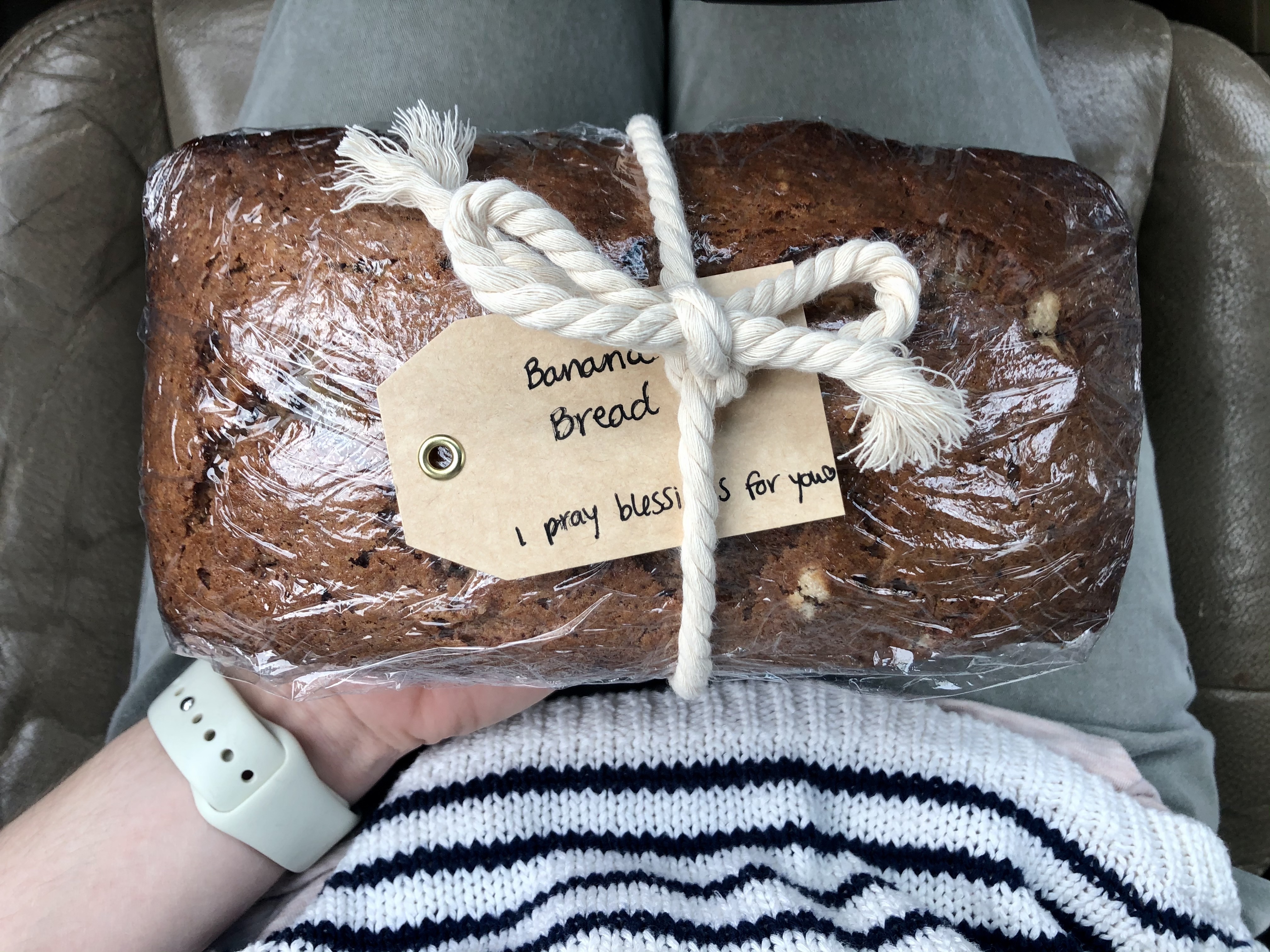
If you know someone from Myanmar, encourage them. Ask them the latest updates. Listen to the hard details. Promise your prayers to them and follow through. Bake a loaf of banana bread to gift them when they host you.
You may not know anyone, and that’s okay. But if you do, let them know that you’re watching. You’re on their side. Part of healing process is knowing you’re not alone. Your kind words will carry more weight that you might ever get the privilege of knowing.
4. We can pray.
Before I left my friend, we prayed. We asked God to stop the evil, and to rebuild a safter and more peaceful Myanmar. We asked Him for rest. We asked Him to keep my friend’s family and friends safe.
People talk about prayer as if it’s a waste of time. Friends, I daresay that prayer is the most important thing we can do to help a nation hurting. The reality is that Myanmar – as is every nation in this world – is marred by sin. Darkness cuts division deep.
The only One who is all-powerful enough to make a change is God. No one, no matter how noble their intentions, can win a nation unless it’s Him. No one, no matter how wise, can come up with a game plan that appeases an entire country and to restore all that has been lost like He can.
So we pray. Not believing it’s a waste of time, but being full certain that prayer means something. It makes a difference.
When we finished praying, my friend said, “Thank you. So much. I will tell my mother and she will be so happy.”
Her mother is still in Yangon, Myanmar – the very center of the battle. Can you imagine that even there, she could be encouraged by the prayers of her sister on the other side of the globe?
That is the faith that prayer makes a difference that I, too, want to live by.
5. We can talk about it.
Don’t withhold the knowledge you have. Life we’ve been given is too precious to boil it down to only talking about our favorite cereal and sports teams. We could speak up, too. We could tell a friend about this wild thing going on 8,000 miles away. We could shed light on a dark situation with our words.
All it takes is one person to start a trickling affect all over the community. Your words don’t have to be perfect and you don’t have to know it all. Show up authentically and empathetically with eyes that are looking to care about the things God cares about.
And you could start a revolution for Myanmar exactly where you are, even some 8,000 miles away.